BSE Detection in Scotland Highlights the Importance of Veterinary Surveillance
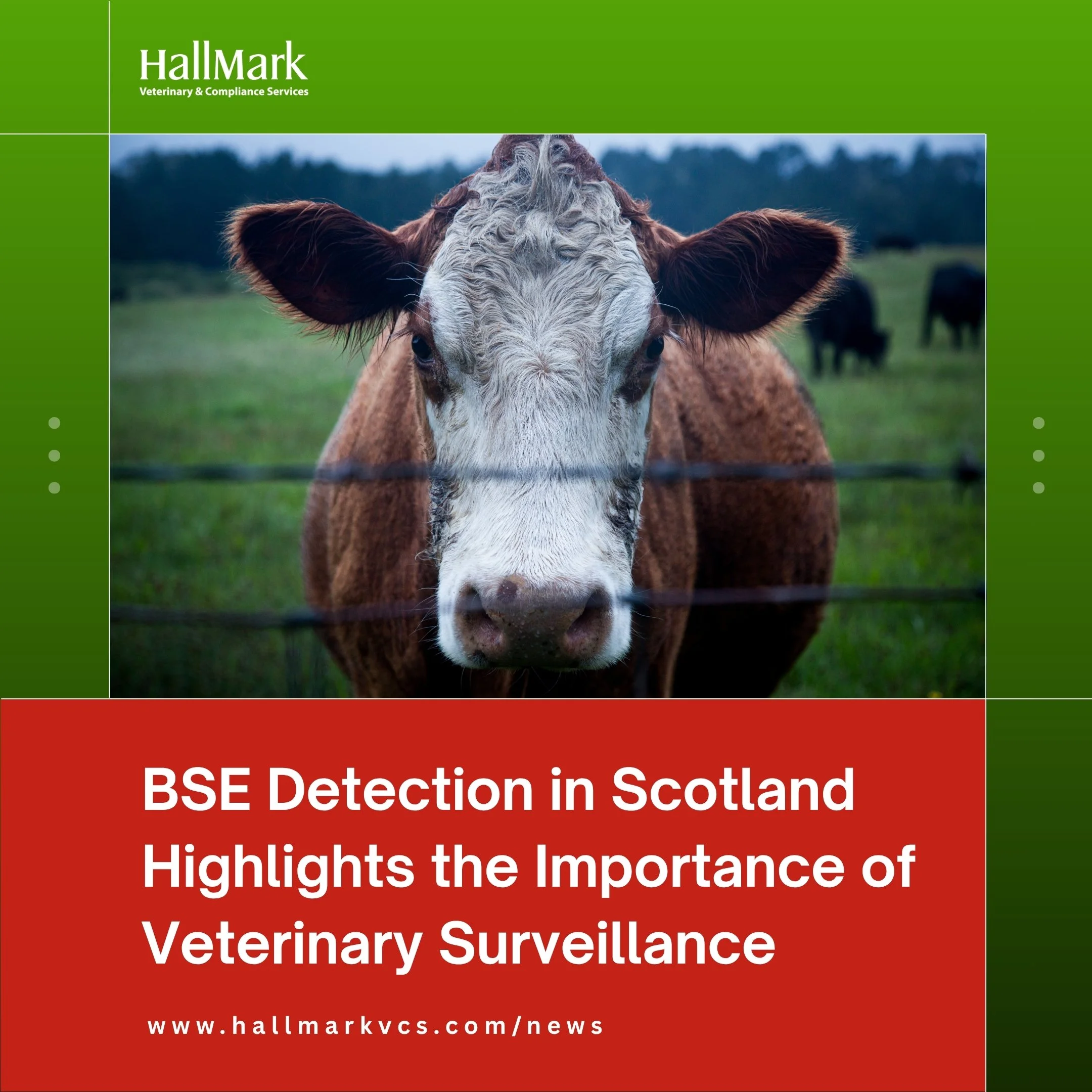
A single case of classical Bovine Spongiform Encephalopathy (BSE) has been confirmed in a cow in Dumfries and Galloway, Scotland.
The animal did not enter the human food chain and authorities have confirmed that there is no risk to food safety. Precautionary restrictions have been put in place and investigations are continuing.
While cases of BSE are now rare in the UK, this latest detection is a useful reminder of the importance of the surveillance and testing that continues across the country.
The role of surveillance
The UK's animal health surveillance system operates every day, much of it away from public view.
BSE surveillance includes statutory testing of certain categories of cattle, including fallen cattle over 48 months of age. This allows potential cases to be identified and investigated and, where necessary, further action to be taken.
Most of the time, this routine work attracts little attention. Cases such as the one confirmed in Scotland show why it remains necessary.
The role of veterinary professionals
Veterinary professionals are an important part of the UK's systems for protecting animal health and welfare, food safety and public health.
HallMark Veterinary & Compliance Services' Official Veterinarians and Meat Hygiene Inspectors contribute to this work through the delivery of Official Controls in approved meat establishments.
On a daily basis, our teams carry out ante-mortem and post-mortem inspection, monitor animal health and welfare, identify abnormalities or signs of disease and make sure that concerns are reported and acted upon appropriately. They also support statutory sampling and surveillance programmes.
BSE testing is just one part of a much wider network involving farms, veterinary professionals, laboratories, abattoirs and government agencies.
Why routine controls matter
Effective surveillance is not simply about responding to major disease outbreaks. It also depends on having robust systems in place to identify individual cases, investigate them properly and enable the relevant authorities to respond quickly.
The fact that BSE is now rarely detected in the UK does not make this work any less important. Maintaining veterinary expertise, effective Official Controls and strong surveillance systems helps ensure that unusual findings are picked up and dealt with.
Much of this work happens quietly, every day. A case such as this brings its importance into sharper focus.
At HallMark, we are proud of the role our Official Veterinarians, Meat Hygiene Inspectors and wider Official Controls teams play in protecting animal health and welfare, food safety and public health across the UK.